
 TR
TR What to Do When Warning Lights Come On? (Detailed Guide)
Prevent major damage by responding correctly to warning lights.
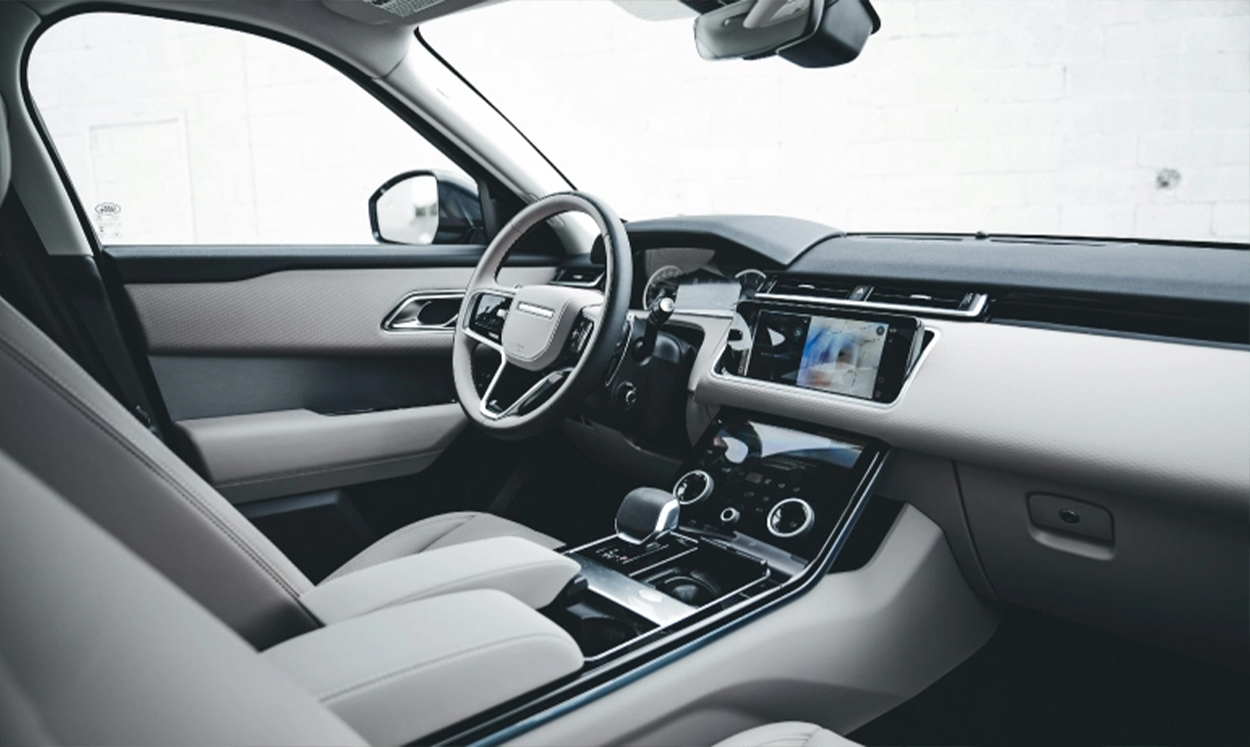
What to Do When a Warning Light Comes On?
The question “what to do when a warning light comes on” is one of the most important things every driver should know. Dashboard warning lights are your vehicle’s way of telling you that something isn’t working properly. Acting early can help prevent serious damage and costly repairs.
Understanding these warning signals and taking the right steps is critical for both your safety and your vehicle’s performance.
Why Do Warning Lights Turn On?
Vehicles constantly monitor their own systems. When there is an issue in critical areas such as the engine, brakes, oil, or electrical system, the car alerts the driver through warning lights.
These alerts help:
- Detect small issues early
- Prevent major breakdowns
- Ensure safe driving
In short, warning lights are your car’s early warning system.
Common Warning Lights and Their Meanings
Engine warning light
The engine warning light indicates a problem related to the engine. It can be caused by something minor or a more serious issue.
If this light turns on:
- Avoid pushing the vehicle
- You may notice a drop in performance
- Have it checked as soon as possible
Oil warning light
The oil warning light indicates low oil level or improper oil circulation.
This is a critical situation because:
- The engine can be seriously damaged
- Repairs can become very expensive
If this light turns on, you should stop driving immediately.
Battery warning light
The battery warning light signals a problem with the vehicle’s electrical system, often related to charging.
In this case:
- The vehicle may stop running soon
- Electrical systems may fail
Brake and ABS warning lights
Brake and ABS warning lights are among the most critical for driving safety.
If these lights come on:
- Braking performance may decrease
- Vehicle control can become difficult
- Immediate attention is required
What Should You Do When a Warning Light Comes On?
Taking the right steps when a warning light appears can prevent further damage and ensure your safety.
1. Do not push the vehicle
Continuing to drive aggressively can worsen the issue. Use the vehicle carefully or stop if necessary.
2. Pull over safely
As soon as possible, stop the vehicle in a safe location. If the warning light is red, treat it as urgent.
3. Get professional help
To properly identify the problem, consult a professional service. Incorrect handling can lead to bigger issues.
What Happens If You Ignore Warning Lights?
Ignoring warning lights can lead to serious consequences over time.
Major failures may occur
A small issue can turn into a costly repair if not addressed early.
Vehicle performance decreases
The car may not run efficiently and can lose power.
Safety risks increase
Problems related to the engine or brakes can lead to dangerous situations.
Conclusion
The answer to “what to do when a warning light comes on” is simple: don’t ignore it. Avoid pushing the vehicle, stop safely, and seek professional assistance.
Taking these warnings seriously will help you stay safe on the road and avoid expensive repairs. Early action is always the smartest and most cost-effective solution.